
The Future of Social Shopping and Online Selling
People’s purchasing habits have changed rapidly in today’s digital world. Shopping is no longer limited to visiting physical stores. With the rise of social media and online platforms, businesses are finding new and creative ways to connect with customers. Social shopping is one of the biggest trends shaping the future of online selling.
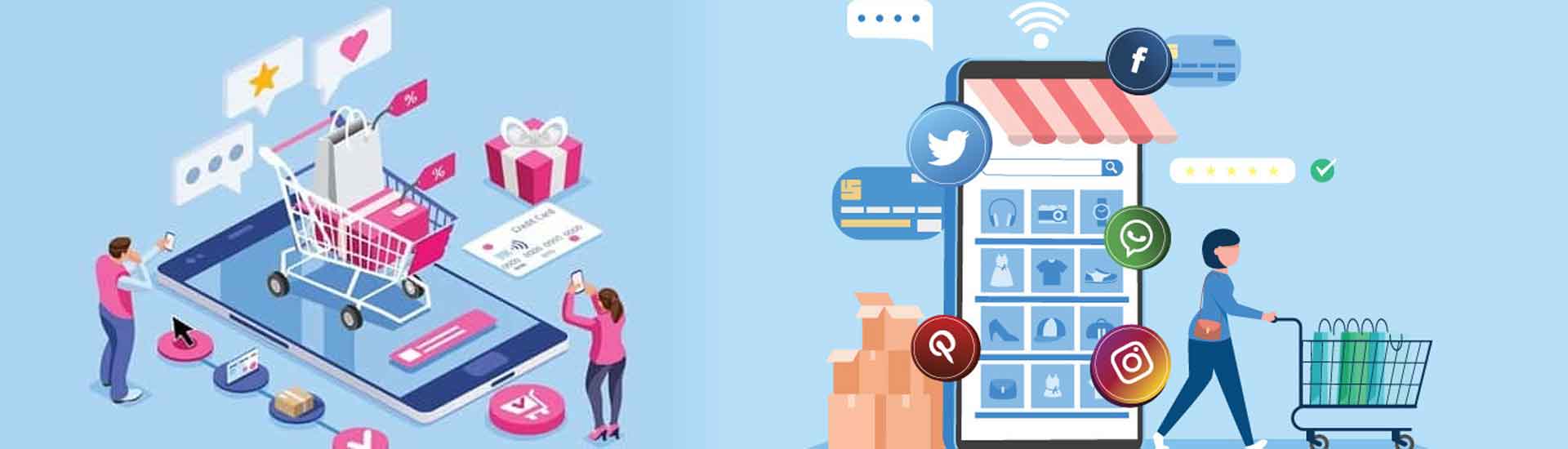
Social shopping simply means selling products directly through social media platforms like Instagram, Facebook, and WhatsApp. Instead of just promoting products, brands can now allow customers to browse, review, and purchase without leaving the app. This makes the buying process faster, easier, and more engaging.
As discussed in our previous blog, “Benefits of Selling Products on E-Commerce Website,” online selling has already made business more convenient and accessible. Social shopping is taking it one step further by bringing products closer to customers in their everyday digital spaces.
Rise of Social Commerce
Social media platforms are no longer just for communication or entertainment. They have become powerful marketplaces. Features like live selling, reels, influencer collaborations, and in-app checkout options are changing how people shop.
For example, a customer scrolling through Instagram can instantly purchase a product they like without visiting a separate website. This reduces the steps in the buying journey and increases sales opportunities for businesses.
Influence of Content and Creators
Another important factor in social shopping is the role of influencers and content creators. People trust recommendations from real users more than traditional advertisements. When influencers showcase products through videos, reviews, or live sessions, it builds trust and encourages quick buying decisions.
This trend is especially helpful for small businesses and start-ups, as they can reach a large audience without spending heavily on marketing.
Personalized Shopping Experience
ocial shopping platforms use data and algorithms to understand customer preferences. This allows businesses to show personalized product suggestions based on user behaviour, interests, and past purchases.
As a result, customers see products that are more relevant to them, improving their overall shopping experience and increasing the chances of conversion.
Mobile-First Shopping
Most users today prefer shopping through their smartphones. Social media apps are designed for mobile use, making them ideal for online selling. Easy navigation, quick checkout, and engaging visuals make mobile shopping smooth and enjoyable.
Businesses that focus on mobile-friendly content and strategies will have a clear advantage in the future.
Integration with E-Commerce Websites
Even though social shopping is growing fast, e-commerce websites still play a crucial role. A well-designed website provides detailed product information, secure payment options, and better brand control.
Combining social media selling with an e-commerce website creates a strong online presence. Social platforms bring traffic, while websites help in building trust and long-term customer relationships.
The Road Ahead
The future of online selling will be more interactive, personalized, and customer-focused. Technologies like AI, augmented reality (AR), and catboats will further improve the shopping experience. Customers may soon try products virtually or get instant support while shopping online.
Businesses that adapt to these changes and focus on customer engagement will succeed in the long run.
FAQs
- What is social shopping?
Social shopping is the process of selling products directly through social media platforms where customers can browse and purchase items easily. - How is social shopping different from traditional e-commerce?
Traditional e-commerce requires visiting a website, while social shopping allows buying directly within social media apps. - Why is social shopping becoming popular?
It is fast, convenient, and more engaging. Customers can discover and buy products without leaving their favorited apps. - Can small businesses benefit from social shopping?
Yes, social shopping helps small businesses reach a wider audience with lower marketing costs. - Is it important to have an e-commerce website along with social media selling?
Yes, having both ensures better brand credibility, detailed product information, and a complete shopping experience.
For more, visit Roiid.